Ecuadorian vice president Lenín
Moreno will be the first speaker on Monday at the UN’s meeting.
Moreno will present the Yasuní-ITT environmental project which
is a program of international scope that proposes the rescue of
the most bio-diverse area of the Amazonia by means of a
trusteeship that could maintain the reservoir of 846 million
barrels of oil in the ITT (Ishpingo-Tambococha-Tiputini) field
indefinitely unexploited.
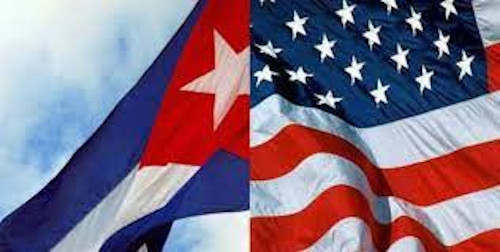
In the same session, Cuba’s foreign affairs minister Bruno
Rodriguez will reiterate his country’s claim for the lifting of
the US economic, commercial and financial blockade against the
island.
On October 26, the General Assembly will vote on a Cuban
resolution in rejection of the American blockade for the tenth
consecutive year.
Ten days ago, the Cuban foreign minister presented in Havana the
annual report to the UN under the title 'Necessity to Put
an End to the Economic, Commercial and Financial Blockade of the
US against Cuba'.
The document denounces that Washington’s siege is the main
obstacle hindering the Cuban development and has cost the island
751,363 million dollars in the last 50 years.
Last year, 187 countries voted against the blockade marking the
highest vote ever recorded on the matter since it was first
submitted in 1991. Only three countries voted against the
resolution: United States, Israel and Palau, and two nations
abstained: Marshall Islands and Micronesia.
Rodriguez will also insist on the
demand for the freedom of the five Cuban antiterrorist fighters
imprisoned in the US since 1998.
Nicaragua’s delegation will close the Latin American
participation in the fourth day of general debates of the
Assembly.
Other Caribbean speakers will be representatives from Jamaica,
Saint Kitts and Nevis, Antigua and Barbuda, Granada, and
Trinidad and Tobago.